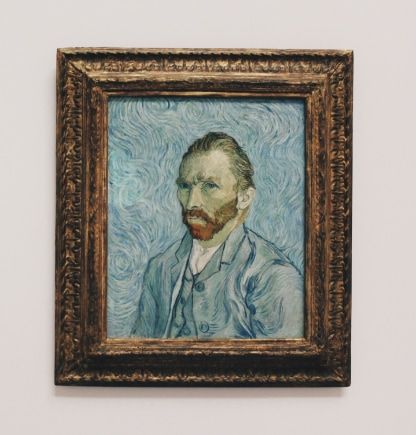
Is there any word that carries as many meanings as “art”?
Art is one of the few areas where personal interpretation matters more than anything else. If there are 100 people, there can easily be 100 different definitions of art. Each person builds their own understanding based on experience, taste, purpose, and perspective. For some, art represents something deeply meaningful and beautiful. For others, it’s simply entertaining—or even insignificant.
From the beginning, art has never been fixed. It has no single form, purpose, or audience. From cave paintings used for hunting rituals, to religious works in the Middle Ages, to the expressive movements of the Renaissance and beyond, art has constantly evolved. It has always served different roles depending on the time and context.
Today, art is no longer limited to a specific group or class. What was once created and consumed by a small number of people is now open to everyone. With modern tools and platforms, anyone can create and share their work. As a result, the range of what we call “art” continues to expand. Ideas that once seemed strange or controversial now feel almost normal.
Where Do We Draw the Line?
If intention defines art, what happens when there is no clear intention?
If beauty is the standard, how do we view works that are intentionally uncomfortable or unconventional?
Art can serve many purposes—emotional, visual, educational, or social. But because it carries so many roles, it becomes difficult to define it using a single standard. At some point, we are left wondering whether everything labeled as “art” should be accepted as such.
How Should Art Be Understood?
There is no single answer. Different people prioritize different values, and those differences deserve to be respected. As long as something does not harm others, individual interpretation remains valid.
Even so, there are works that many people agree are “good.” This often comes from shared human experiences and socially learned values. But what is widely appreciated is not always meaningful to everyone. Just as we are free to admire something, we are also free to reject it.
In today’s world, where art is everywhere and anyone can create, this question becomes more relevant. It encourages us to think about what kind of art we accept, what values it represents, and what it means to us personally.
Art may not always be easy to understand, but it remains one of the most direct ways to express identity, ideas, and purpose. For that reason, even when we don’t fully connect with a piece, approaching it with openness is part of engaging with art in the modern world.