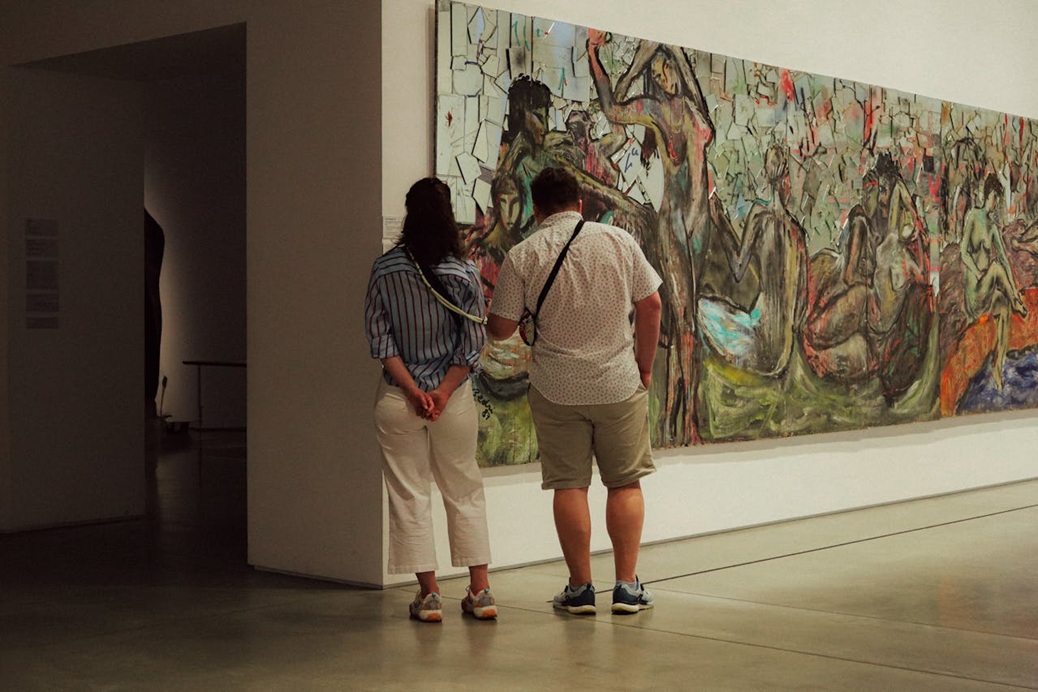
Modern art has changed dramatically over the past century. What was once viewed as something reserved for experts, galleries, or cultural institutions has gradually become far more personal and accessible. Today, art is no longer defined only by technical skill or traditional standards. Instead, it often reflects individual experience, emotion, and perspective.
In the past, many people saw art as something distant. Paintings and sculptures were associated with museums, formal exhibitions, and academic discussion. The relationship between the artist and the audience felt structured and separated. There were clear ideas about what qualified as “real art” and what did not.
Over time, those boundaries began to fade.
Modern artists started experimenting with different materials, ideas, and styles. Some focused less on perfection and more on expression. Others challenged the idea that art needed to follow strict rules at all. As these changes continued, audiences also became more open to personal interpretation rather than searching for one “correct” meaning.
Technology accelerated this shift even further. Digital platforms made it easier for creators to share their work instantly with people around the world. Art became something people could experience every day through screens, photography, design, music, and short-form visual content. The distance between creator and viewer became smaller than ever before.
This change also made art feel more personal. Many modern works are not trying to impress through complexity alone. Instead, they often focus on atmosphere, emotion, memory, or identity. A simple image, texture, or visual composition can resonate with someone in a deeply individual way.
At the same time, modern art has become less formal in how it is presented and understood. People no longer need academic knowledge to appreciate visual work. Personal reaction matters more than following fixed standards. What feels meaningful to one person may feel completely different to another, and that flexibility has become part of modern artistic culture itself.
Art continues to evolve alongside technology, culture, and human experience. But perhaps one of the most important changes is this: modern art now feels closer to everyday life. It is no longer something separated from people. It has become part of how individuals express themselves, communicate ideas, and connect with the world around them.